
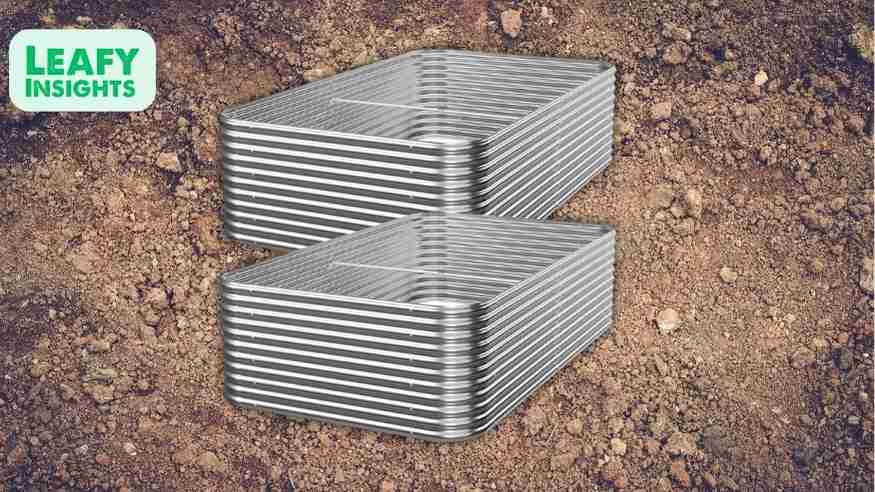
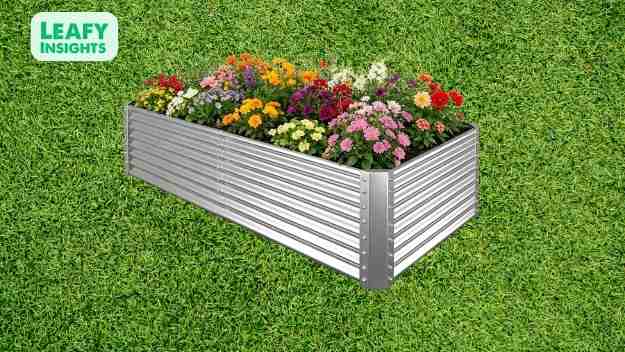
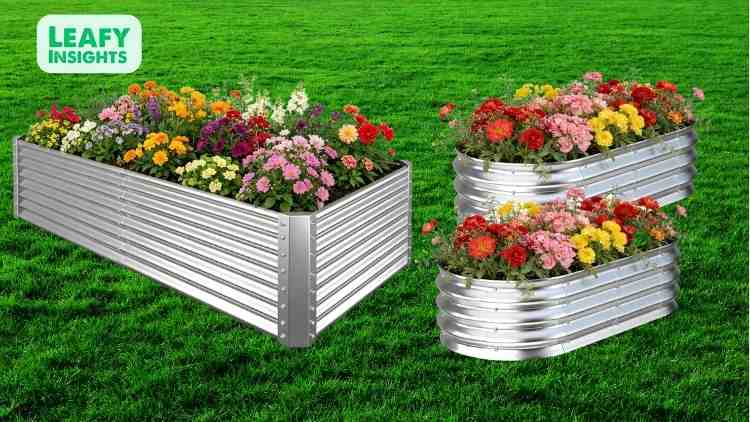
If you’ve been searching for a way to upgrade your backyard, patio, or balcony into a thriving vegetable and flower garden without dealing with poor native soil, weeds, or constant bending over, a raised garden bed is one of the smartest investments you can make. Among the many options on the market, the 2 Pack Tall 8ft Galvanized Raised Garden Bed Outdoor has become a favorite for home gardeners who want durability, generous growing space, and a clean, modern look.
In this review, we’ll break down everything you need to know about this metal raised garden bed set — from build quality and dimensions to assembly, pros and cons, and who it’s best suited for.
Quick Overview
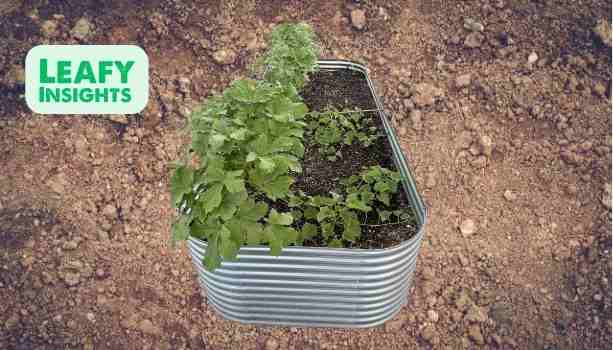
This raised garden bed comes as a 2-pack, meaning you get two individual 8x3ft galvanized steel garden boxes in a single purchase. That’s a combined growing area of roughly 48 square feet, which is plenty of room to plant vegetables, herbs, flowers, or a mix of everything. Each bed is constructed from galvanized steel, a material well known for resisting rust, corrosion, and weather damage — a huge plus if you live somewhere with heavy rain, snow, or humidity.
The “tall” design is one of the standout features here. Unlike shallow raised beds that only reach a few inches off the ground, this model is built with taller side panels, giving root vegetables like carrots and potatoes more depth to grow, while also reducing the amount of bending and kneeling required during planting, weeding, and harvesting. For gardeners with back pain, knee issues, or mobility limitations, that taller height alone can make gardening far more enjoyable.
Specification Table
| Specification | Details |
|---|---|
| Pack Size | 2 raised garden beds included |
| Bed Dimensions (per bed) | 8ft x 3ft (96 x 36 inches) |
| Length | 96 inches (8 feet) |
| Width | 36 inches (3 feet) |
| Height/Depth | Tall profile design — deeper wall height than standard beds (reduces bending/kneeling) |
| Total Growing Area (both beds) | Approximately 48 sq. ft. combined |
| Soil Volume Capacity (per bed, approx.) | Several cubic feet — exact volume depends on wall height selected |
| Material | Galvanized steel sheet metal |
| Metal Gauge/Thickness | Heavy-duty gauge steel construction |
| Coating/Finish | Zinc-coated galvanization for rust and corrosion resistance |
| Color | Natural galvanized silver/metallic finish |
| Weight (per bed, empty, approx.) | Moderate — manageable for 1–2 people to move before filling |
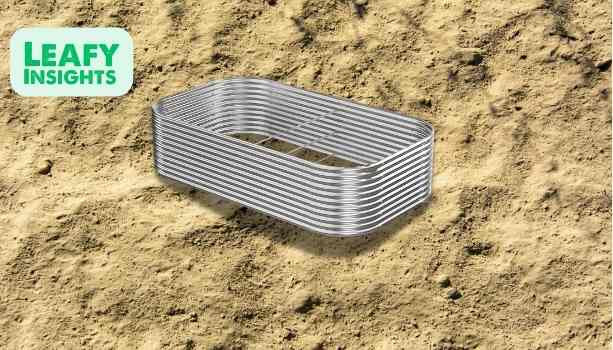
| Bottom Design | Open-bottom for drainage and native soil root access |
| Wall Style | Reinforced corrugated/ribbed side panels for added strength |
| Assembly Required | Yes — panel-based, bolt/clip construction |
| Tools Needed | Basic hand tools or included hardware (varies by kit) |
| Estimated Assembly Time | 30–60 minutes per bed (1 person); faster with two people |
| Package Contents | Steel side/end panels, corner brackets, connecting hardware, assembly instructions (x2 sets) |
| Weather Resistance | Withstands sun, rain, snow, and temperature swings |
| UV/Heat Consideration | May retain heat in direct summer sun; extra watering recommended |
| Placement Type | Above-ground garden box |
| Best Suited Locations | Yards, patios, decks (reinforced), balconies (if space allows), community garden plots |
| Recommended Plants | Vegetables, root crops, herbs, flowers, small fruiting plants |
| Companion Planting Friendly | Yes — ample width supports multi-row and companion planting layouts |
| Pest Resistance | Taller walls help deter some ground-level pests |
| Maintenance | Low — no staining, sealing, or rot treatment needed (unlike wood beds) |
| Expected Lifespan | Multi-season, long-term use with proper care |
| Reusability/Portability | Reusable season to season; not easily moved once filled with soil |
| Ideal For | Vegetable growers, raised-bed beginners, gardeners with back/knee concerns, buyers replacing wooden beds |
These specs make it clear this bed isn’t a flimsy backyard toy — it’s designed to function like a long-term garden fixture, not something you replace every season.
Soil Volume and Coverage Data
Since these beds are tall and sizable, planning your soil needs ahead of time can save you money and hassle. Here’s a general breakdown based on standard raised bed volume calculations:
| Bed Height | Approx. Soil Volume (per 8x3ft bed) | Approx. Soil Bags Needed (1.5 cu. ft. bags) |
|---|---|---|
| 12 inches | ~24 cu. ft. | ~16 bags |
| 17 inches | ~34 cu. ft. | ~23 bags |
| 24 inches | ~48 cu. ft. | ~32 bags |
For the 2-pack, simply double these figures. Most gardeners reduce total soil cost by filling the bottom third to half of the bed with organic filler material (branches, straw, leaves, or untreated logs) using the “hugelkultur” layering method, then topping the rest with nutrient-rich garden soil and compost. This can cut your soil purchase costs by 30–40% while also improving long-term drainage and nutrient cycling.
Steel Gauge and Durability Data
Galvanized raised garden beds are typically constructed using steel in the 26-gauge to 29-gauge range, with lower gauge numbers indicating thicker, more durable steel. Thicker gauge steel (26–27) tends to hold its shape better under the pressure of wet, heavy soil and resists denting. The galvanization (zinc-coating) process typically provides a protective layer that can extend the usable lifespan of the bed to 10–15+ years with proper care, compared to 3–7 years for standard untreated wood raised beds.
Galvanized Steel vs. Wood vs. Plastic Raised Beds
| Feature | Galvanized Steel | Wood | Plastic/Composite |
|---|---|---|---|
| Average Lifespan | 10–15+ years | 3–7 years | 5–10 years |
| Rust/Rot Resistance | High | Low (untreated) | High |
| Heat Retention | Moderate-High | Low | Moderate |
| Structural Stability | High (holds shape) | Moderate (can warp/bow) | Low-Moderate |
| Upfront Cost | Moderate-High | Low-Moderate | Low |
| Maintenance Needed | Minimal | Regular (sealing/staining) | Minimal |
| Eco-Friendliness | Recyclable | Biodegradable | Varies |
| Appearance | Modern, sleek | Natural, rustic | Varies |
This comparison highlights why galvanized steel has become such a popular upgrade pick — it consistently outperforms wood in longevity and stability, while offering a more premium look than most plastic alternatives.
Weight and Load Data
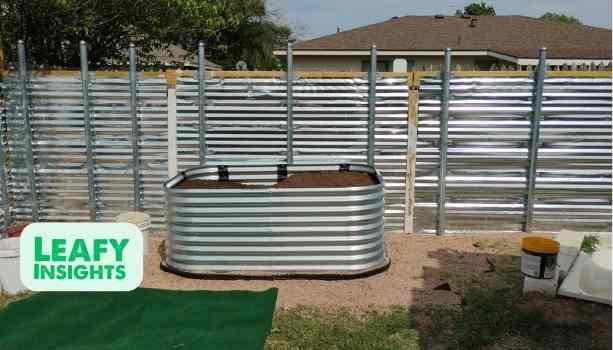
Once fully assembled and filled with soil, an 8x3ft tall raised bed can weigh several hundred pounds depending on soil moisture and fill depth. As a rough guide, moist garden soil weighs approximately 75–100 lbs per cubic foot, meaning a bed holding 24–48 cubic feet of soil could weigh anywhere from 1,800 lbs to 4,800 lbs once filled and watered. This is an important consideration if you’re placing the beds on a deck or patio — always verify the surface’s weight-bearing capacity before filling.
Climate Suitability Data
| Climate Type | Suitability | Notes |
|---|---|---|
| Hot/Arid | Good, with adjustments | Steel can heat up; mulch and shade cloth recommended |
| Temperate | Excellent | Ideal conditions for galvanized steel beds |
| Cold/Snowy | Excellent | Rust resistance handles snow/moisture well |
| Humid/Coastal | Very Good | Galvanized coating resists salt-air corrosion better than untreated wood |
Build Quality and Material
The single biggest selling point of this raised garden bed is the galvanized steel construction. Traditional wooden raised beds look nice initially, but they rot, warp, splinter, and often need replacing within just a few years — especially in wet climates. Galvanized steel solves that problem. The zinc coating process used in galvanization creates a protective barrier against oxidation, which means these beds are built to resist rust far longer than untreated metal or wood alternatives.
Steel also holds its shape. Wooden beds can bow outward over time as soil settles and expands with moisture, but a well-built steel raised bed maintains its structural integrity season after season. This is especially important with the 8x3ft size, since a bed this long needs strong side panel support to avoid warping under the weight of wet soil.
The tall walls of this bed also add a layer of practical protection. Taller sides make it more difficult for certain ground-level pests (like some rabbits and small burrowing animals) to access your plants, and they help contain soil erosion during heavy rain.
Assembly Experience
Most galvanized raised garden beds in this style ship as flat-packed metal panels that bolt or clip together to form the rectangular bed shape. Based on typical assembly patterns for this kind of product:
- Unbox and lay out all panels, connector brackets, and hardware
- Connect the long side panels to the short end panels using the provided brackets/screws
- Reinforce corners and mid-supports for structural stability
- Position the bed in your desired garden location before filling with soil
- Repeat for the second bed included in the 2-pack
Assembly generally takes between 30 minutes to an hour per bed for one person, though having a second set of hands makes aligning the taller panels noticeably easier. Because the kit includes two full beds, budgeting a couple of hours total for setup is realistic for most buyers.
Where to Use It
Because these are above-ground garden boxes, they’re incredibly versatile in terms of placement. Popular setups include:
- Backyard vegetable gardens
- Side-yard herb and flower rows
- Patios and decks with reinforced flooring
- Community garden plots
- Areas with poor native soil, rocky ground, or drainage issues
Since the bed sits above ground level and typically has an open bottom, it allows plant roots to extend into the native soil below while still giving you full control over the top layer of soil quality — a nice middle ground between a container garden and an in-ground garden.
Pros
- Rust and weather resistant thanks to galvanized steel construction
- Tall design reduces bending and is easier on your back and knees
- Spacious 8x3ft footprint per bed gives plenty of room for a variety of plants
- 2-pack value means you get double the growing space in one purchase
- Long-lasting material compared to wood, which rots and needs frequent replacement
Cons
- Assembly required — not a pre-built unit, so some time and effort is needed
- Heat retention — like most metal garden beds, steel can heat up in direct summer sun, which may require extra watering during hot months
Who Should Buy This Raised Garden Bed?
This 2-pack is an excellent choice for:
- Serious home gardeners who want a long-term, low-maintenance garden structure
- Vegetable growers who need depth for root crops and generous width for spacing plants
- People with back or knee issues who benefit from a taller bed height
- Buyers who’ve had bad experiences with wooden beds rotting or warping after a season or two
- Anyone wanting to start two garden zones at once — for example, one bed for vegetables and one for flowers or herbs
If you only have a small balcony or limited space, an 8x3ft bed (let alone two of them) may be more than you need. In that case, a smaller single raised bed might be a better fit. But for anyone with a proper yard or patio area looking to maximize growing space with minimal long-term maintenance, this galvanized steel set is a strong option.
Tips for Getting the Most Out of Your Raised Garden Bed
- Layer your fill material. Instead of filling the entire tall bed with expensive garden soil, use a base layer of coarse organic material (like branches, leaves, or untreated wood scraps) at the bottom, then top with quality soil and compost. This is often called “hugelkultur” style filling and saves money while improving drainage.
- Add mulch on top of the soil to help retain moisture, especially since metal beds can dry out faster in direct sun.
- Consider partial shade placement in extremely hot climates to reduce heat stress on plant roots near the steel walls.
- Use a trellis or stakes for climbing plants like tomatoes, cucumbers, or beans to make the most of the tall bed’s vertical space.
- Rotate crops between the two beds each season to help maintain healthier soil and reduce pest buildup.
FAQs
How much soil do I need to fill an 8x3ft tall raised garden bed?
It depends on the bed’s height, but tall beds this size typically need several cubic feet of soil each. To save money, many gardeners fill the bottom third with organic filler material like branches or leaves, then top the rest with quality garden soil and compost.
Will galvanized steel raised beds affect soil safety for growing vegetables?
Galvanized steel is generally considered safe for growing food, as the zinc coating creates a protective barrier that limits leaching into soil. It’s a widely used, popular material for vegetable raised beds and is considered safer than many treated wood alternatives.
Can these raised garden beds be used on a patio or deck instead of the ground?
Yes, since these are above-ground garden boxes, they can be placed on patios or decks. Just confirm the surface can support the weight once filled with wet soil, and consider adding a liner if you want to protect the surface underneath.
Final Verdict
The 2 Pack Tall 8ft Galvanized Raised Garden Bed Outdoor is a well-rounded, durable choice for gardeners who want to move beyond wooden boxes and invest in something built to last. The galvanized steel construction offers strong resistance to rust and weather damage, the tall height makes gardening more comfortable, and the generous 8x3ft dimensions per bed give you plenty of room to grow a wide variety of plants. While assembly takes some time and the beds do require a real commitment of yard space and soil, the payoff is a long-lasting, attractive garden setup that should serve you well for many growing seasons.
If you’re ready to upgrade your garden with a raised bed system that combines strength, size, and style, this 2-pack is well worth considering.
Leave a Reply